
Influencer Thought She Was Staying at a Hotel for Free, Hotel Bills Her Millions of Dollars

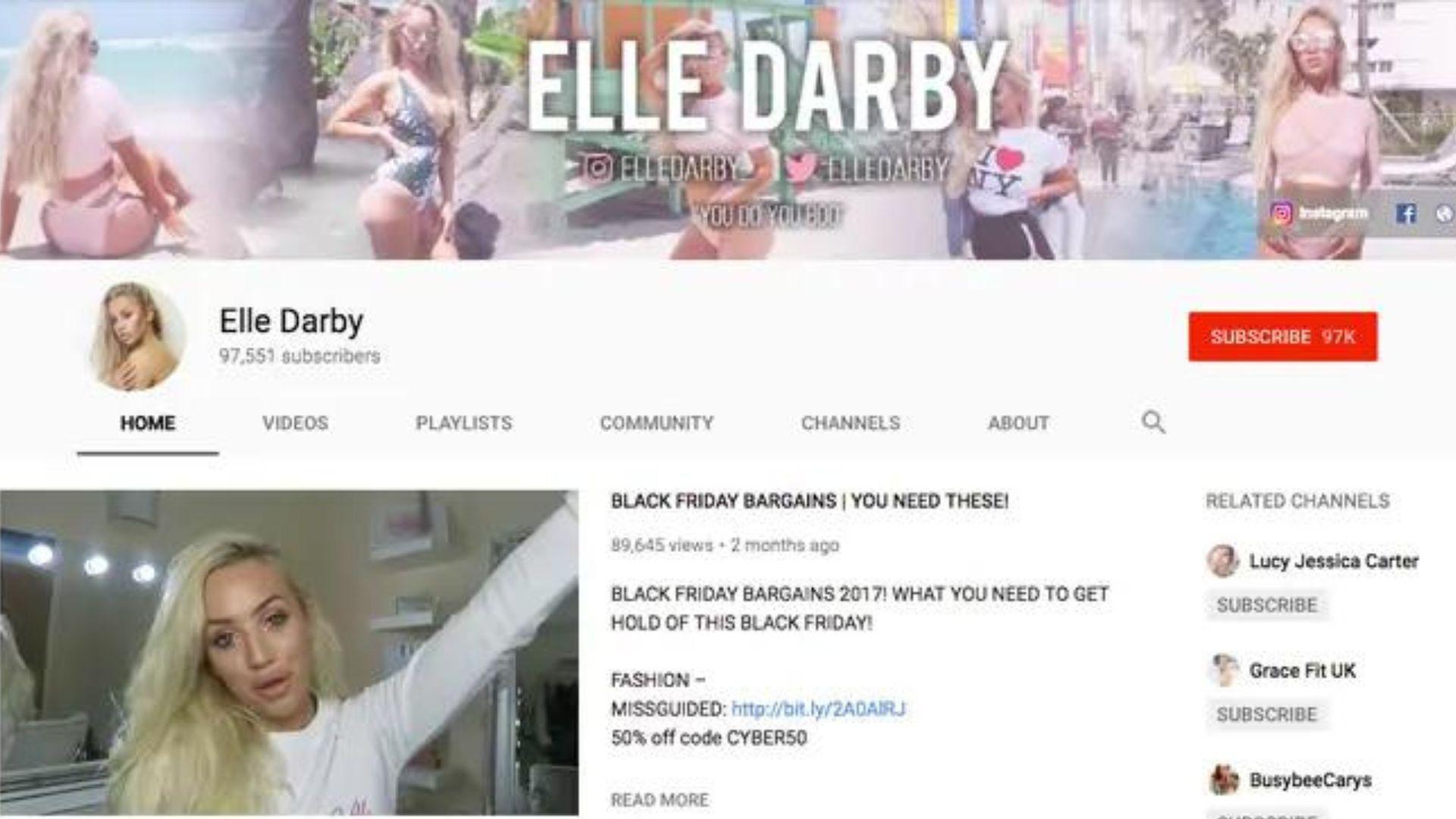
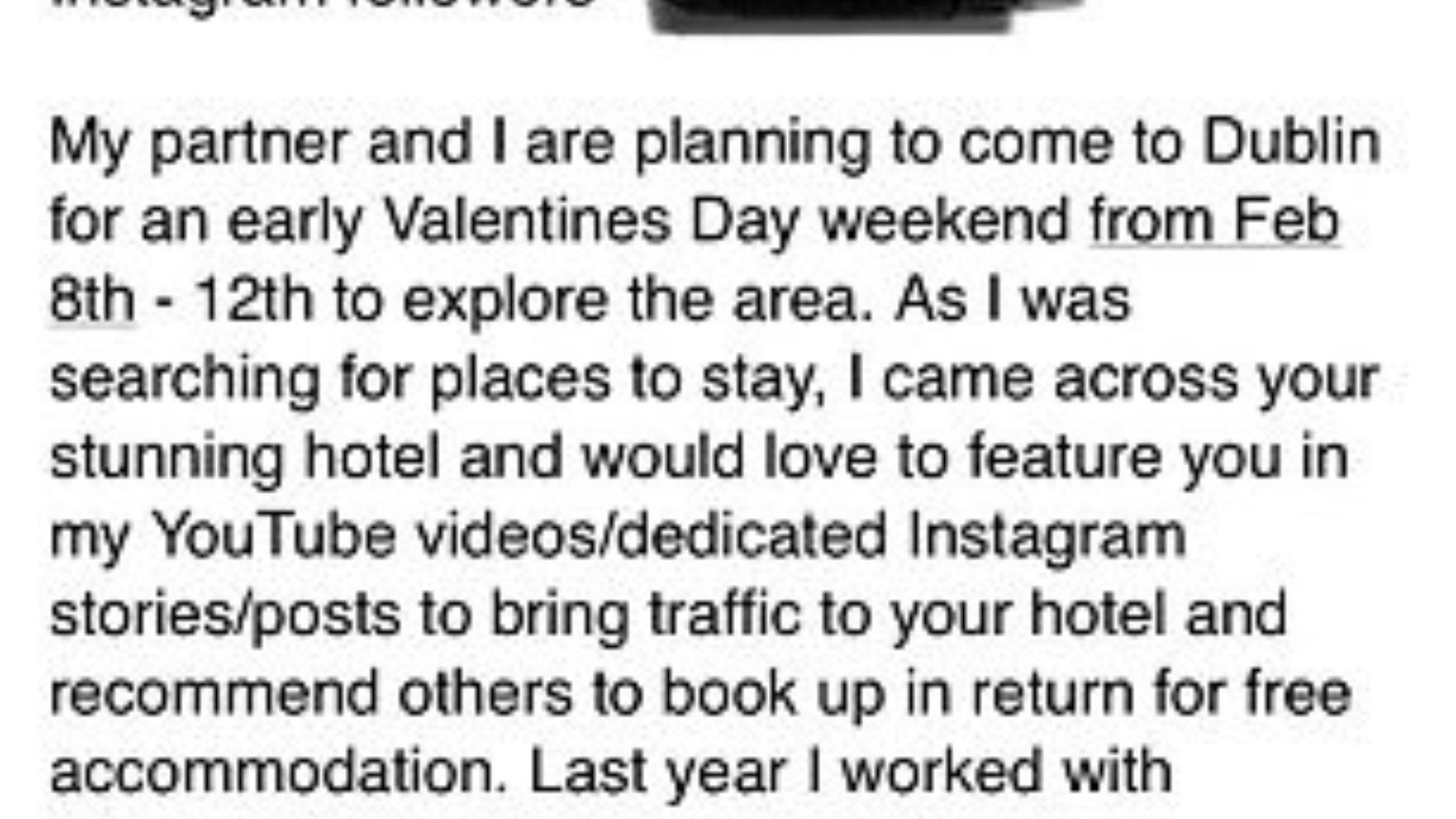
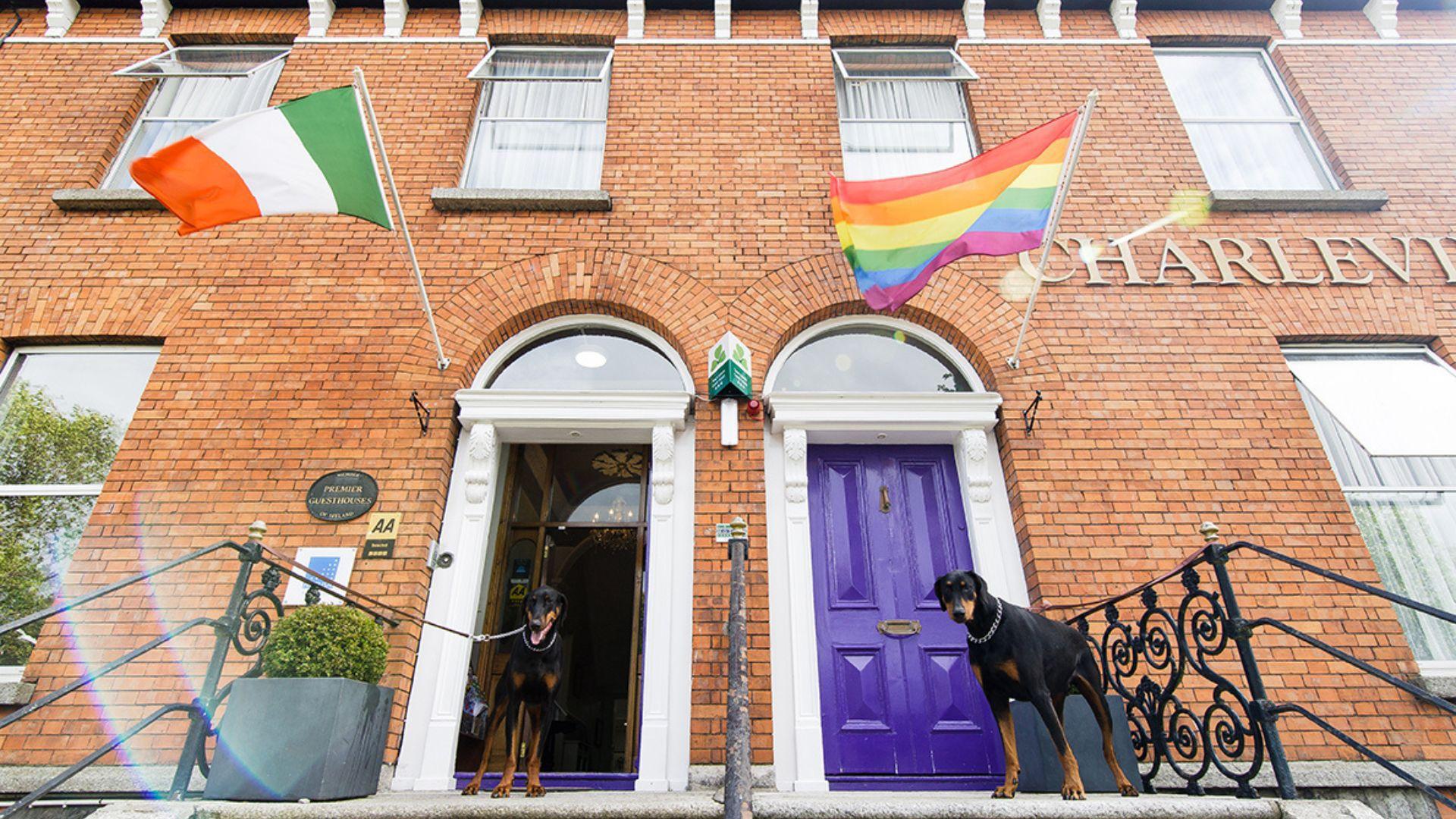
Elle Darby, a YouTuber, approached Dublin's White Moose Cafe and Charleville Lodge with a proposal for a free stay in exchange for social media exposure.
However, this led to a surprising response from the hotel owner, Paul Stenson, and an eventual bill in the millions. Stenson made his refusal public, setting off a series of events that caught the attention of people worldwide.
The Influencer's Proposition

Elle Darby, an influencer, proposed a mutually beneficial arrangement to the hotel—giving it exposure to her tens of thousands of followers on YouTube and Instagram in return for a free stay.
Stenson, however, responded publicly, questioning the influencer's self-respect and dignity and highlighting the costs associated with hosting her.
The Reality of Freebies

Stenson pointed out the costs involved in hosting someone, including staff, housekeeping, and utilities.
He suggested that Darby offer to pay for her stay and maybe receive a complimentary upgrade if the hotel found her coverage helpful. This response underscored the importance of understanding the financial implications for businesses when influencers request freebies.
Darby's Public Response
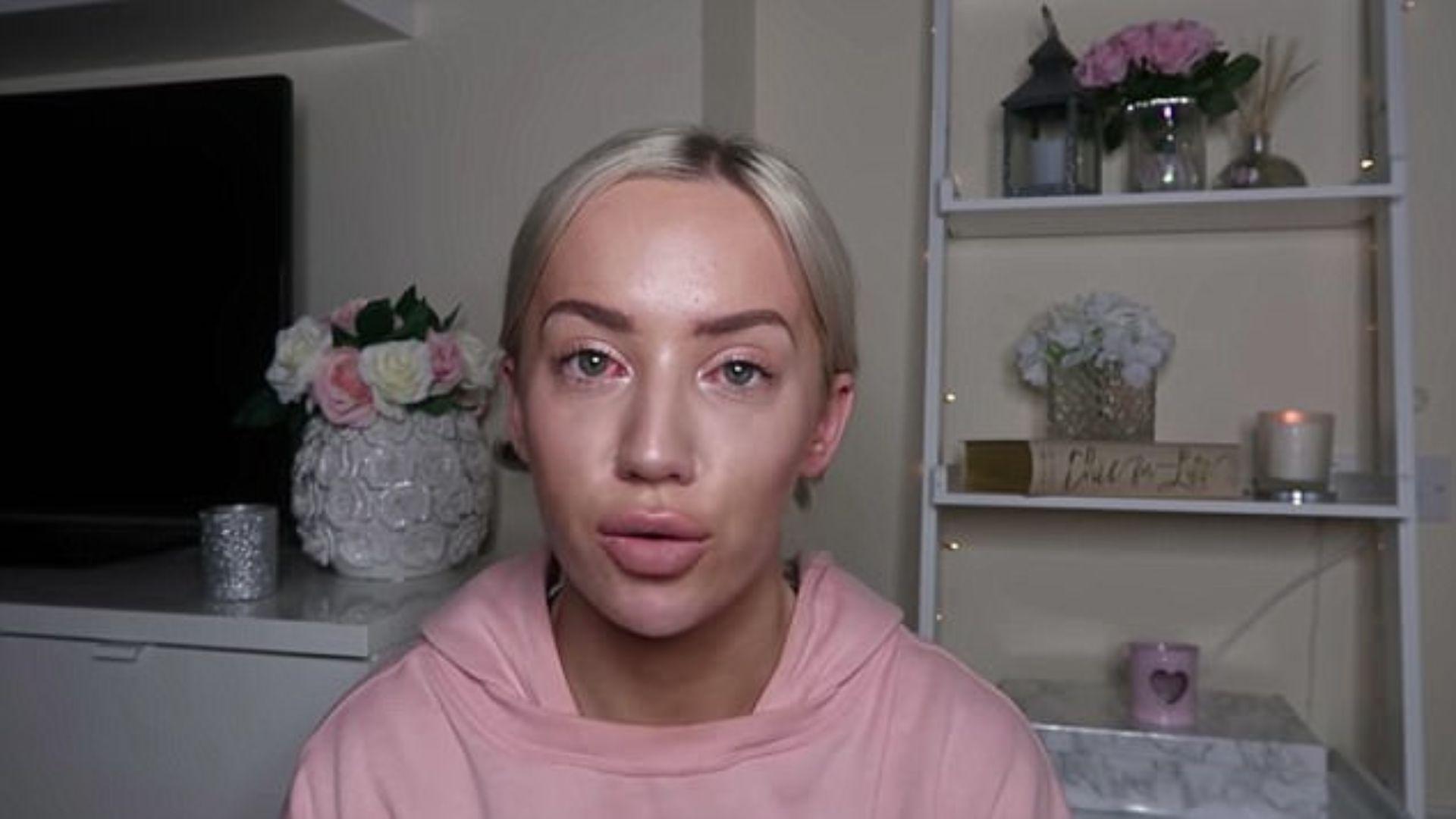
In response to Stenson's public refusal, Darby posted a video on YouTube titled "i was exposed (SO embarrassing)" to explain her perspective.
She expressed her surprise at the response and stated that she was only trying to promote a hotel that she thought was beautiful. The video added another layer to the unfolding saga between the influencer and the hotel owner.
Enacting a Blanket Ban on Bloggers
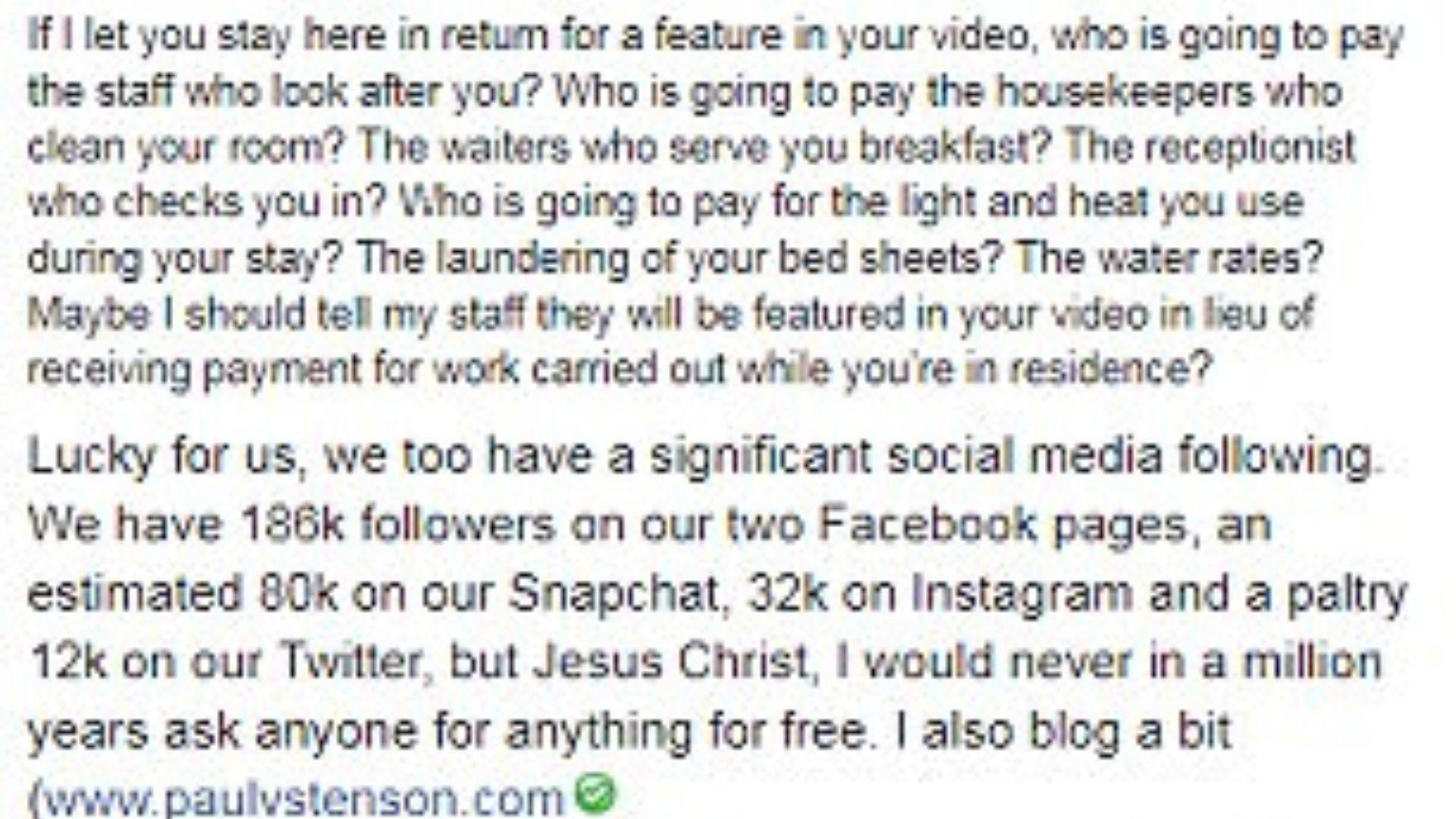
The situation escalated further when Stenson announced a blanket ban on all bloggers at his establishment.
This bold move ignited discussions on the internet about the relationship between businesses and influencers, the value of exposure, and the ethics of asking for free goods or services.
Getting a Bill for Publicity
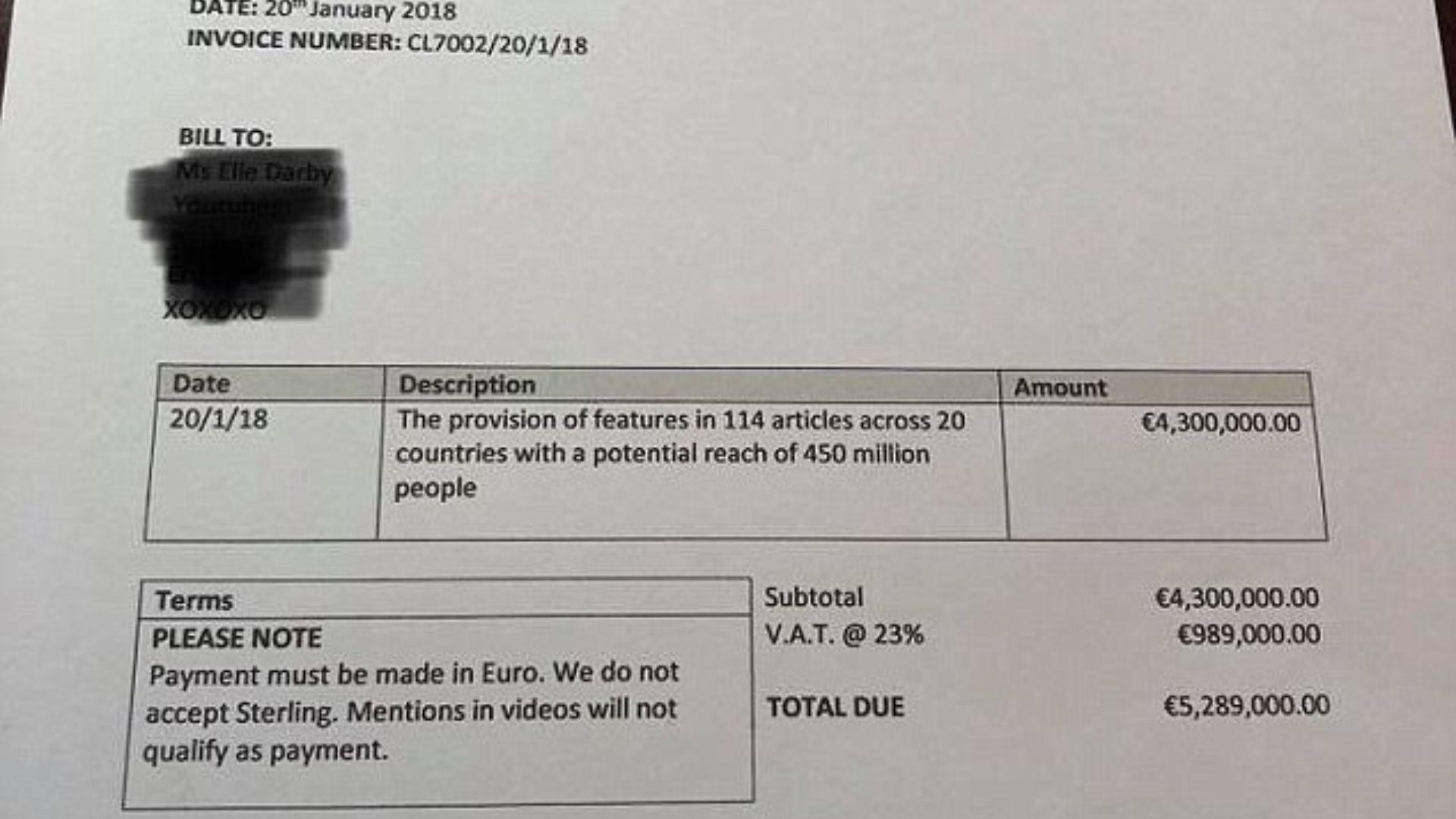
In an unexpected turn of events, Stenson decided to bill Darby for the publicity she gained from their viral exchange.
He posted an invoice of $5.3 million for "the provision of features in 114 articles across 20 countries with a potential reach of 450 million people."
Payment Required in Cash, Not Exposure
Stenson emphasized that payment must be made with actual money, indicating that mentions in videos would not qualify as payment.
He further supported his directive by sharing a LinkedIn article that highlighted the increase in Darby’s YouTube views after the incident, demonstrating her benefit from the situation.
Debating Influencer Marketing

The viral exchange sparked widespread discussions on the ethics of influencer marketing and the fairness of requesting free goods or services in exchange for exposure.
Opinions were divided, and the incident served as a catalyst for a broader conversation about the value exchange between influencers and businesses.
Risks of Influencer Marketing
While influencer marketing can be highly effective, this incident highlights potential drawbacks.
Businesses may feel that the exposure does not justify the cost, while influencers may believe that their reach and influence provide fair compensation for goods or services.
A Reminder for Both Parties
The incident serves as a reminder to both influencers and businesses to approach collaborations with clear expectations and mutual respect.
It is crucial to have open conversations about the value each party brings to the table and to reach an agreement that is fair for both sides.
The Impact of Publicity

Regardless of whether one sides with Darby or Stenson, the incident brought significant publicity to both parties.
It serves as a reminder that in today's digital age, any interaction, whether positive or negative, can attract the attention of millions and have a considerable impact on one's brand.
A Cautionary Tale

This exchange is a cautionary tale in the world of influencer marketing. It is essential to approach collaborations with a clear understanding of each party's value and to respect the other's perspective.
It is also a reminder that not all publicity is good publicity, and it is important to consider the potential ramifications of public interactions.


